Sale Price:
$0.00
Original Price:
$9.99
As you probably know each of 5 Buddha Families represented by 5 different colors, and each of these colors also represents one of our 5 base afflictive emotions or mental obscurations.
Vairochana (Buddha Vairochana) Represented by the color white, this family is associated with the emotion of ignorance. The white color symbolizes the wisdom of all-encompassing space, which transforms ignorance into the wisdom of reality.
Vajra Family (Buddha Akshobhya): Represented by the color blue, this family is linked to the emotion of anger. The blue color signifies mirror-like wisdom, which transforms anger into a clear, reflective state of mind.
Ratna Family (Buddha Ratnasambhava): Represented by the color yellow,this family is associated with the emotion of pride. The yellow color symbolizes the wisdom of equanimity, which transforms pride into a state of even-mindedness.
Padma Family (Buddha Amitabha): Represented by the color red, this family is linked to the emotion of desire. The red color signifies the wisdom of discriminating awareness, which transforms desire into discernment.
Karma Family (Buddha Amoghasiddhi): Represented by the color green, this family is associated with the emotion of envy. The green color symbolizes the wisdom of all-accomplishing activities, which transforms envy into the ability to accomplish all things.
Based on this you can determine which deity or Buddha Family you connect with the most. You just have to be honest with yourself and your emotional patterns. When it comes to specific health conditions, selecting “Helpful Buddha” practice also comes from emotion-obscuration-disorder pattern analysis, not just intuitive assumption.
As you probably know each of 5 Buddha Families represented by 5 different colors, and each of these colors also represents one of our 5 base afflictive emotions or mental obscurations.
Vairochana (Buddha Vairochana) Represented by the color white, this family is associated with the emotion of ignorance. The white color symbolizes the wisdom of all-encompassing space, which transforms ignorance into the wisdom of reality.
Vajra Family (Buddha Akshobhya): Represented by the color blue, this family is linked to the emotion of anger. The blue color signifies mirror-like wisdom, which transforms anger into a clear, reflective state of mind.
Ratna Family (Buddha Ratnasambhava): Represented by the color yellow,this family is associated with the emotion of pride. The yellow color symbolizes the wisdom of equanimity, which transforms pride into a state of even-mindedness.
Padma Family (Buddha Amitabha): Represented by the color red, this family is linked to the emotion of desire. The red color signifies the wisdom of discriminating awareness, which transforms desire into discernment.
Karma Family (Buddha Amoghasiddhi): Represented by the color green, this family is associated with the emotion of envy. The green color symbolizes the wisdom of all-accomplishing activities, which transforms envy into the ability to accomplish all things.
Based on this you can determine which deity or Buddha Family you connect with the most. You just have to be honest with yourself and your emotional patterns. When it comes to specific health conditions, selecting “Helpful Buddha” practice also comes from emotion-obscuration-disorder pattern analysis, not just intuitive assumption.


 Image 1 of 13
 Image 2 of 13
 Image 3 of 13
 Image 4 of 13
 Image 5 of 13
 Image 6 of 13
 Image 7 of 13
 Image 8 of 13
 Image 9 of 13
 Image 10 of 13
 Image 11 of 13
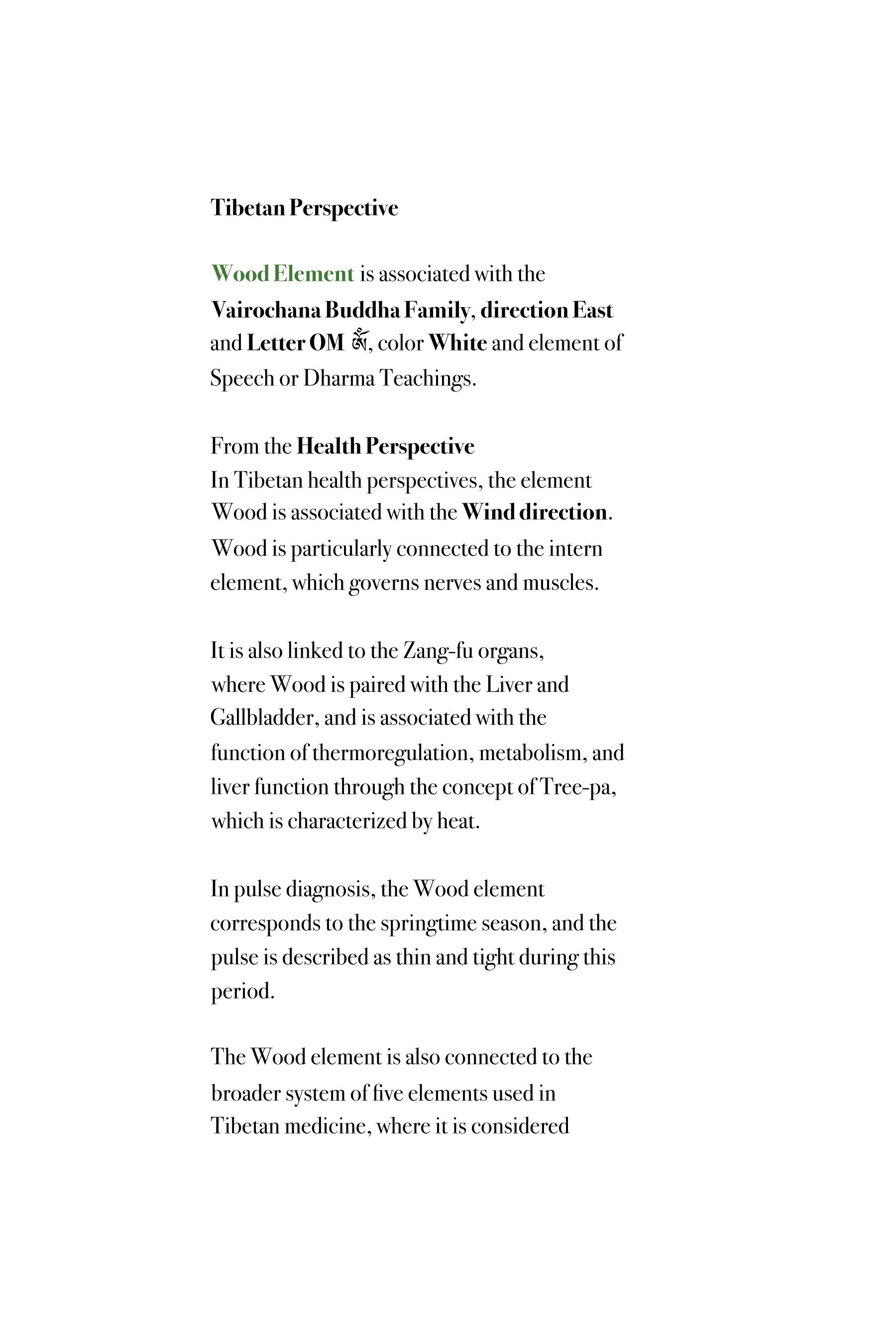 Image 12 of 13
 Image 13 of 13