

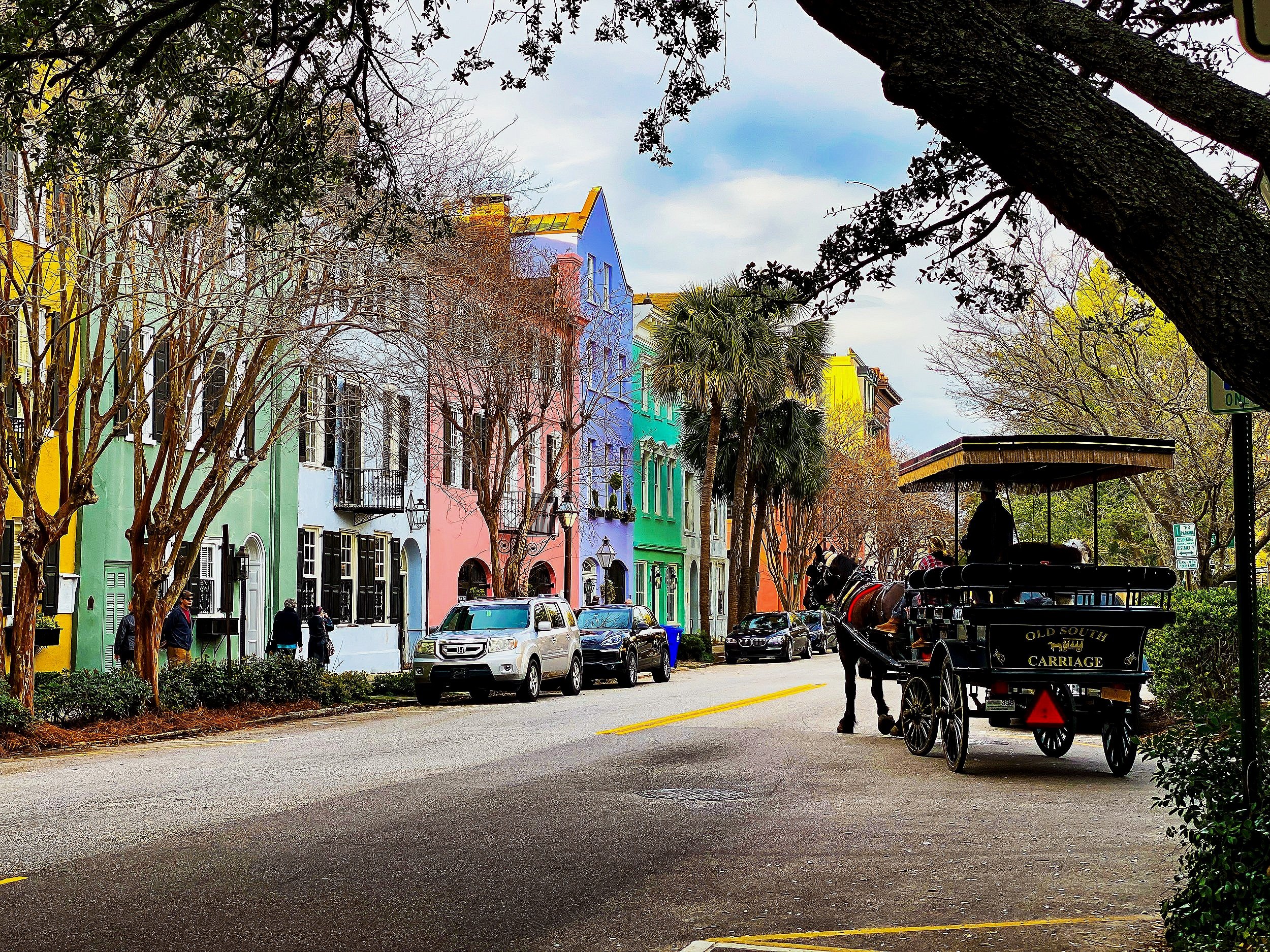
Visit Charleston, SC
-
Located about 25 minutes drive from Charleston International Airport.
Francis Marion Hotel 387 King Street, Historic District, Charleston, SC 29403
-
$915.00 for hotel stay, for 5 nights (Including tax).
$60.00 + Tip on the Lyft, from & to the Airport ($60.00 is the round-trip ride price).
$400.00 + for dining & shopping
You can use Rome2Rio site or app to see all your possible on-land transportation options with estimated prices.
-
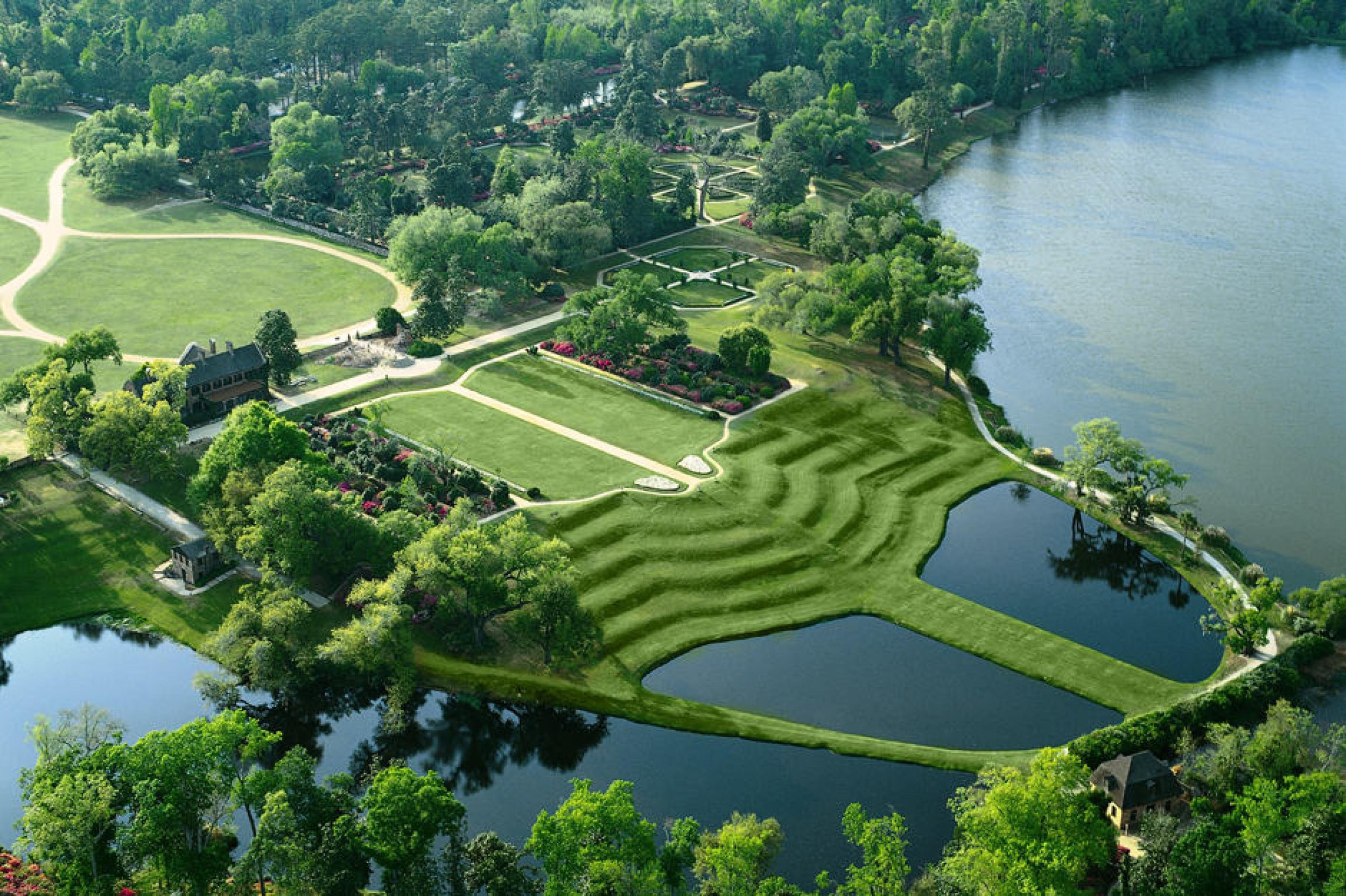
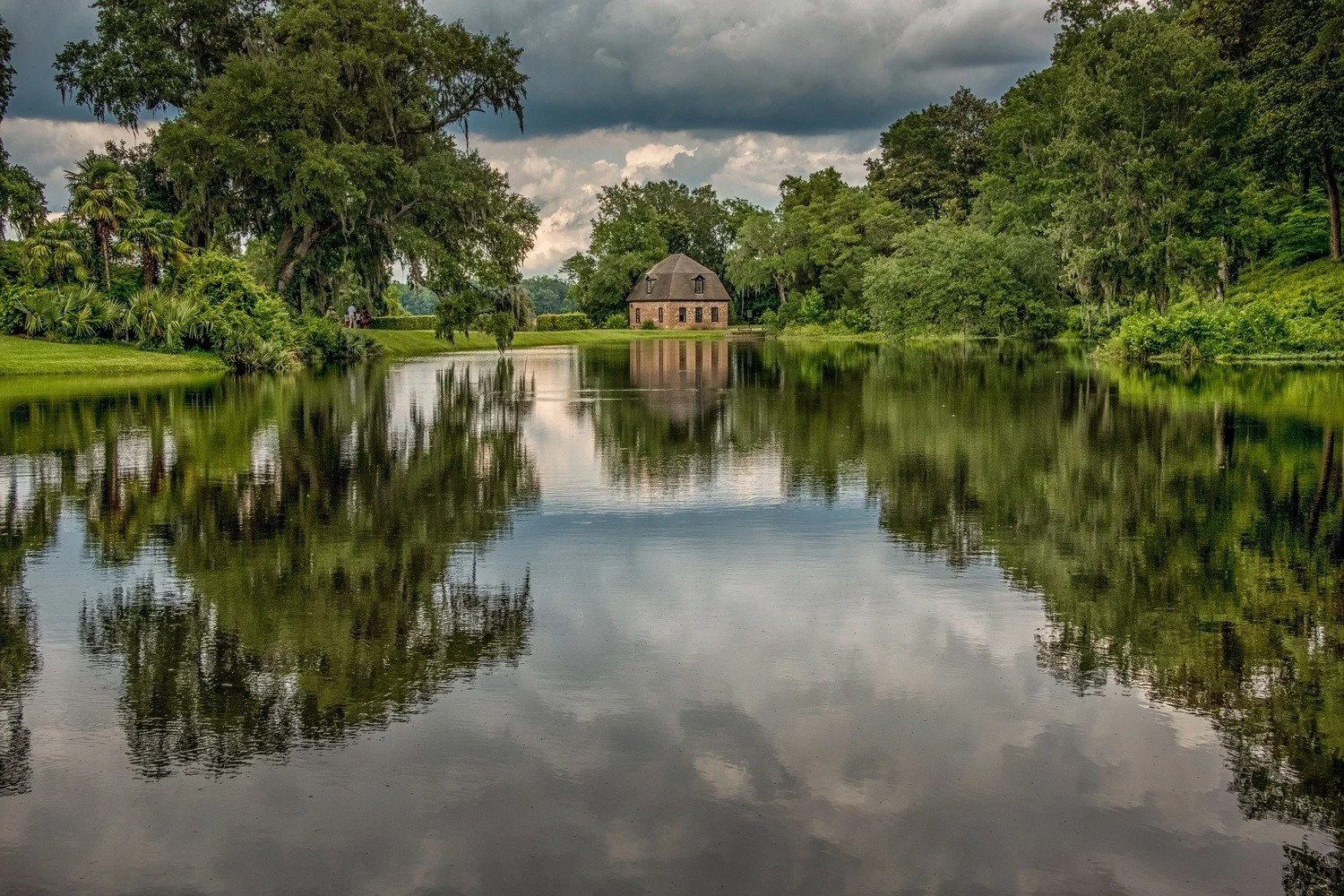
Middleton Palace is within 29 minutes drive from the hotel
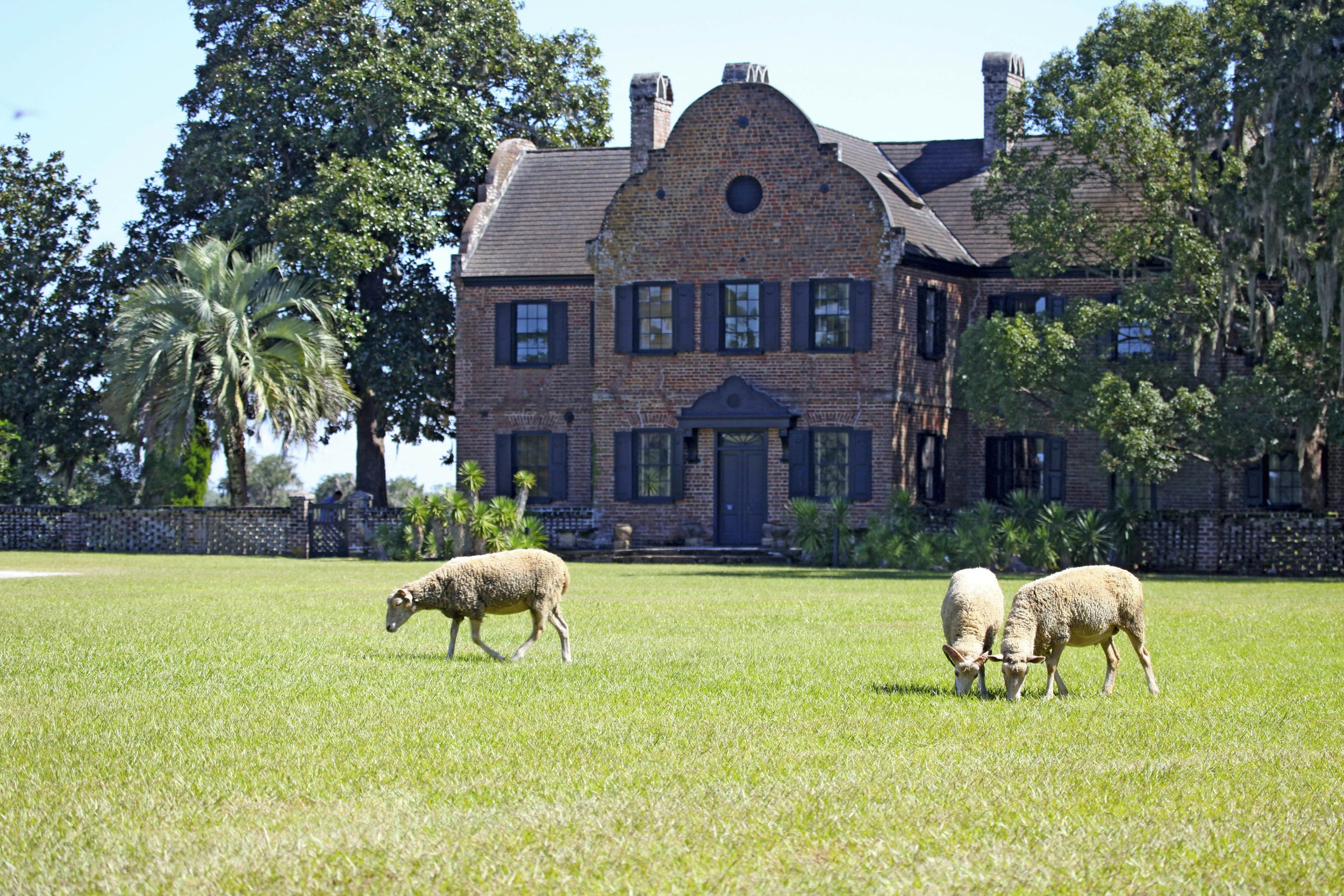
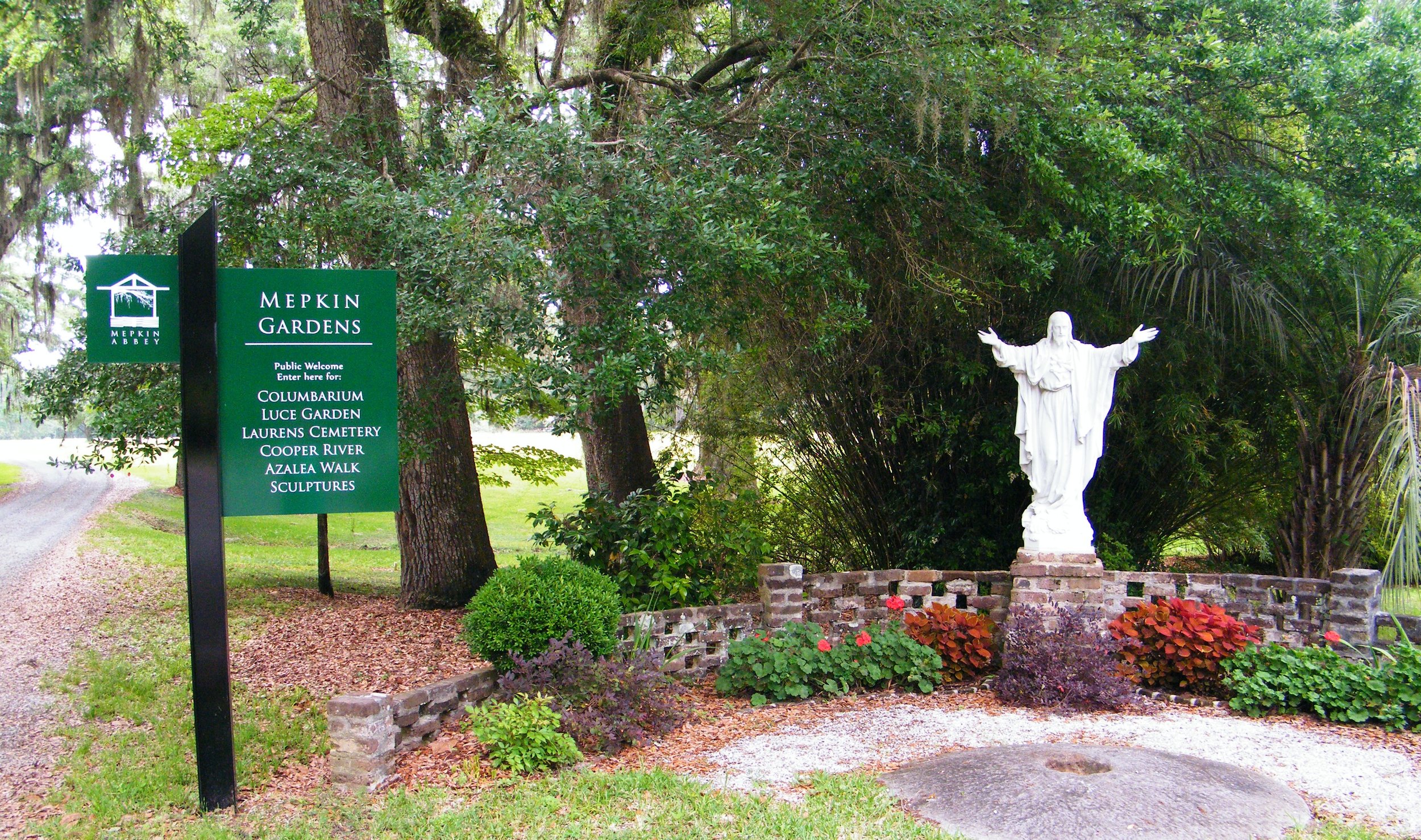
Mepkin Abbey is about 58 minutes drive from the hotel. This is a Trappist Monastery, they have a meditation park and offer tour of the monastery, as well as their own bakery made fruit cakes
Broxton Bridge Plantation is about 1 hour 40 minutes drive from the hotel. This is a hunting, shooting and outdoor lodge and plantation resort
Frampton Plantation House is within 1 hour 20 minutes drive
Auldbrass Plantation is about 1 hour 15 minutes drive
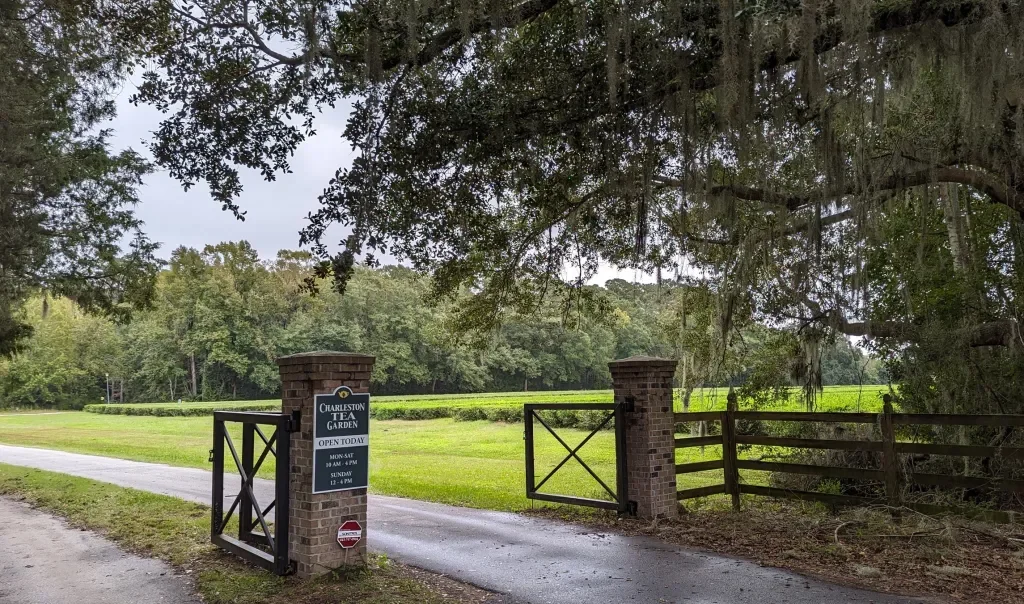
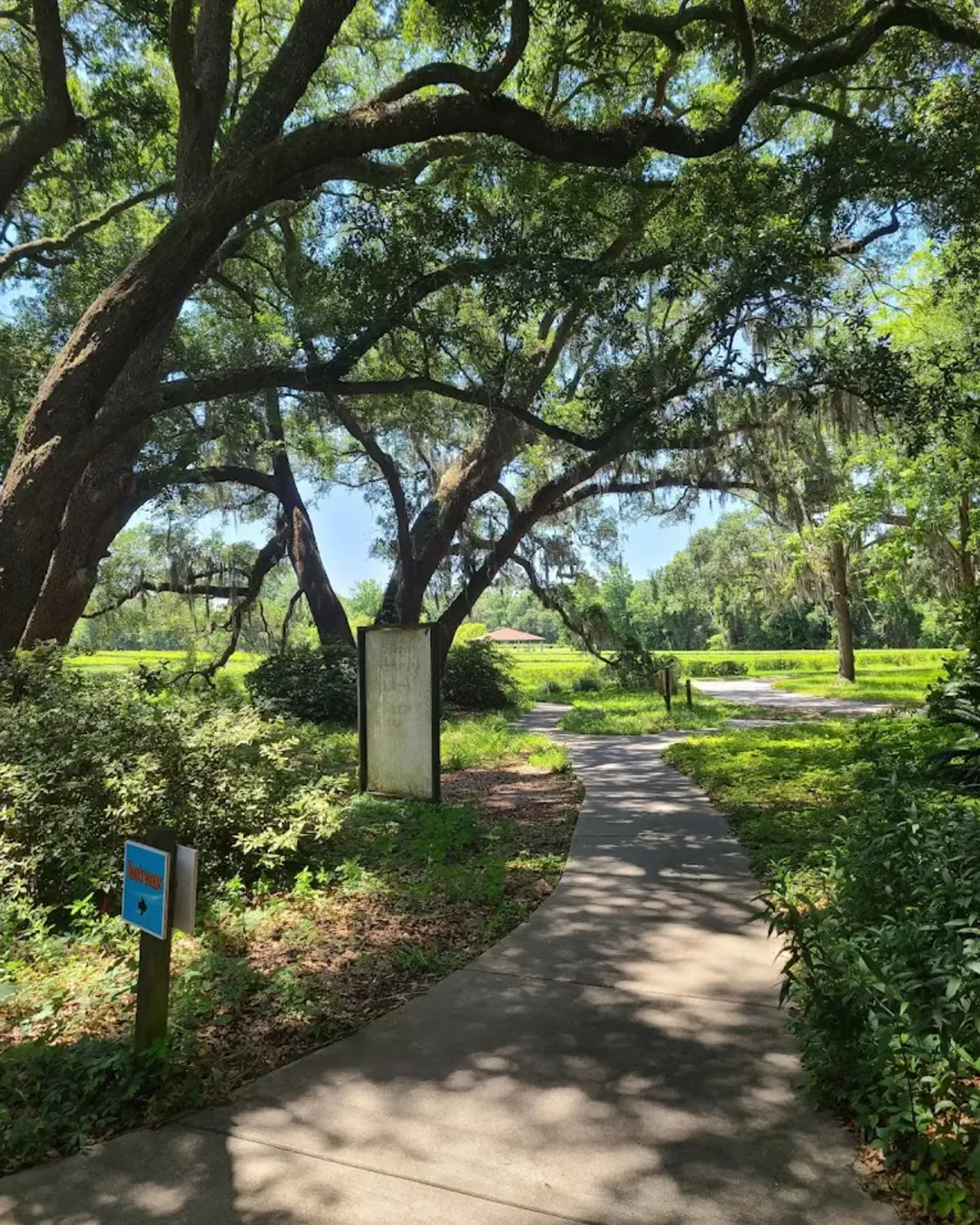
Charleston Tea Garden is only 35 minutes drive from the hotel
Cypress Gardens are within 39 minutes drive
Boone Hall Plantation & Gardens are within 25 minutes drive
Zoo and Nature Center & Magnolia Plantation and Gardens are both within 25 minutes drive
McLeod Plantation Historic Site is about 10 minutes drive from the hotel
South Carolina Aquarium are within 18 minutes walk
International African American Museum is also about 18 minutes walk
Robert Lange Studios Art Gallery with the rest of the historic district buildings, many of which are actual private property, are also within 26 minutes walk
Halsey Institute of Contemporary Art at the College of Charleston are both within 4 minutes walk from the hotel
Charleston Farmers Market is inside the Marions Square next door to the hotel
Fort Sumter and Fort Moultrie National Historical Park are within 22 minutes drive
Harbor Cruises at the Charleston Port, with many different cruise charter services are available within 17 minutes walk.
Here are notable Historic plantations on the U.S. East Coast that are currently open to the public (or to researchers/historians by arrangement):
Boone Hall Plantation South Carolina One of the oldest still-operating plantations (est. 1681); grows crops, open daily for tours
Magnolia Plantation & Gardens South Carolina Oldest public garden in America (open since 1870s); gardens, house tour, swamp trail
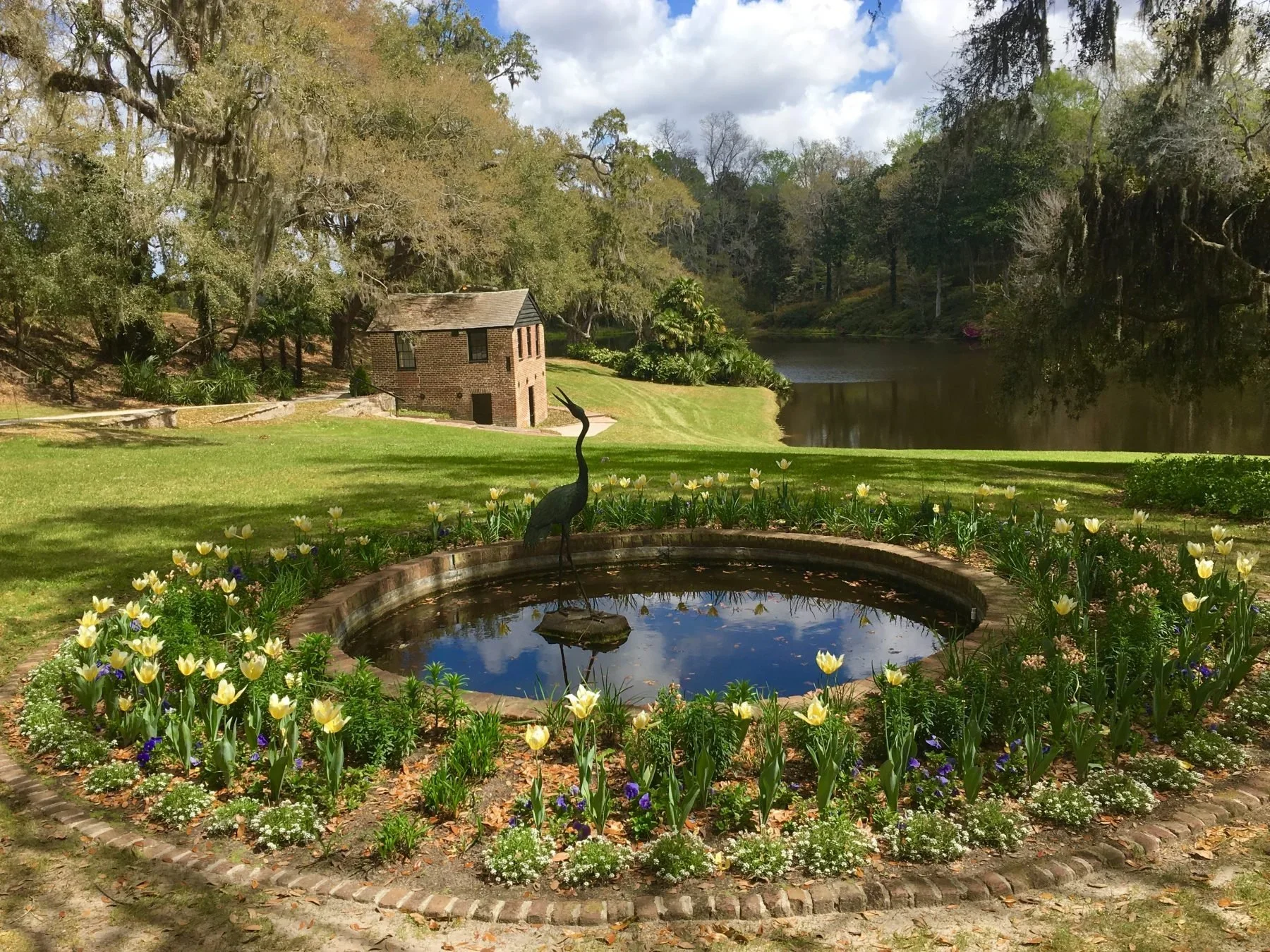
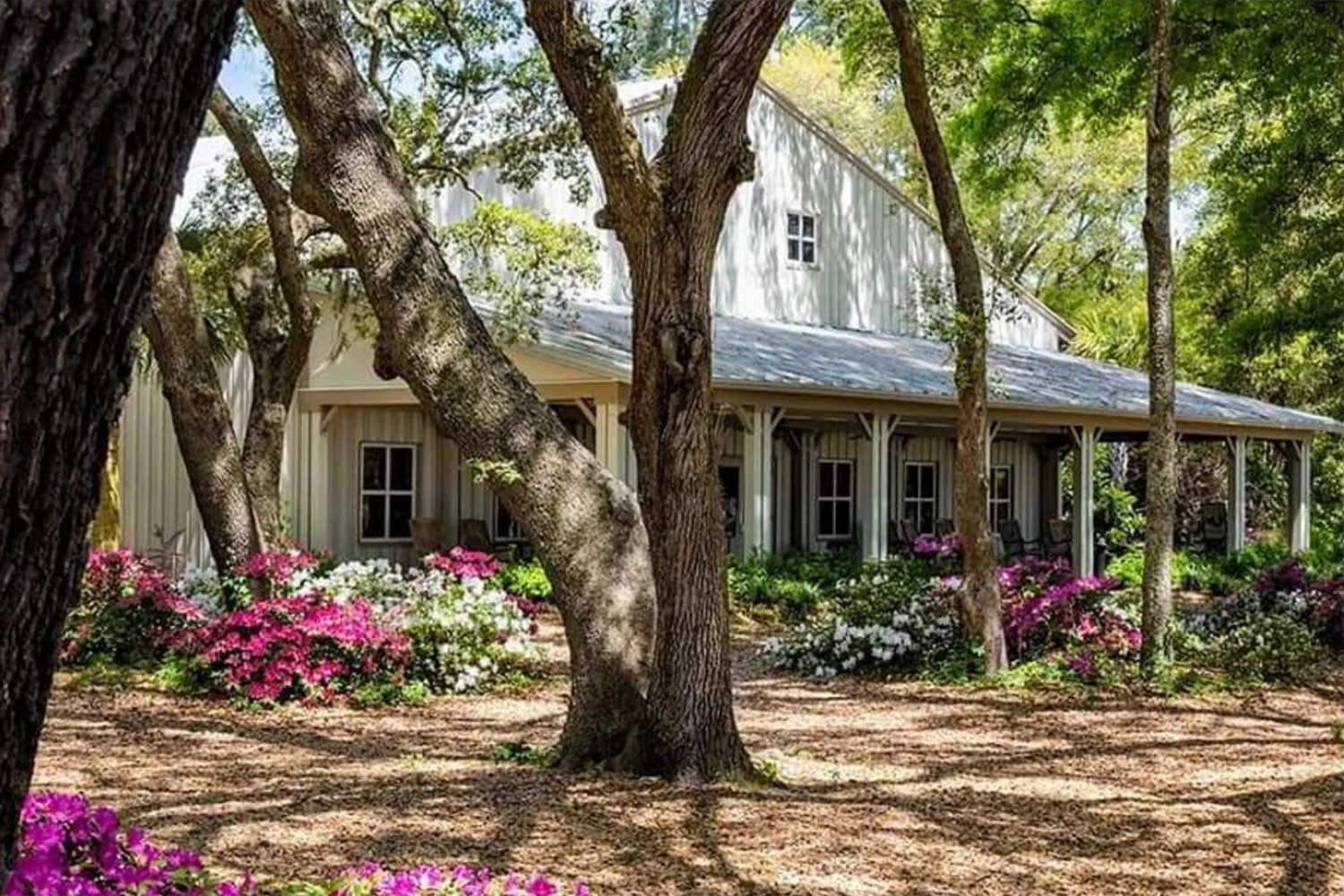
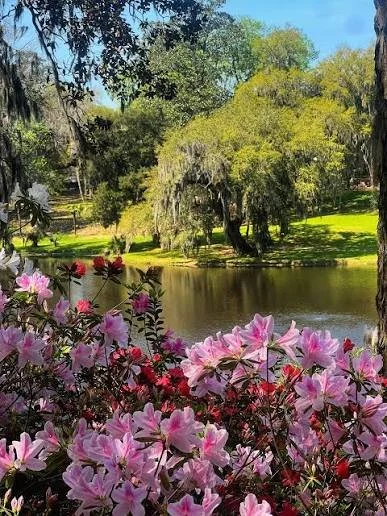
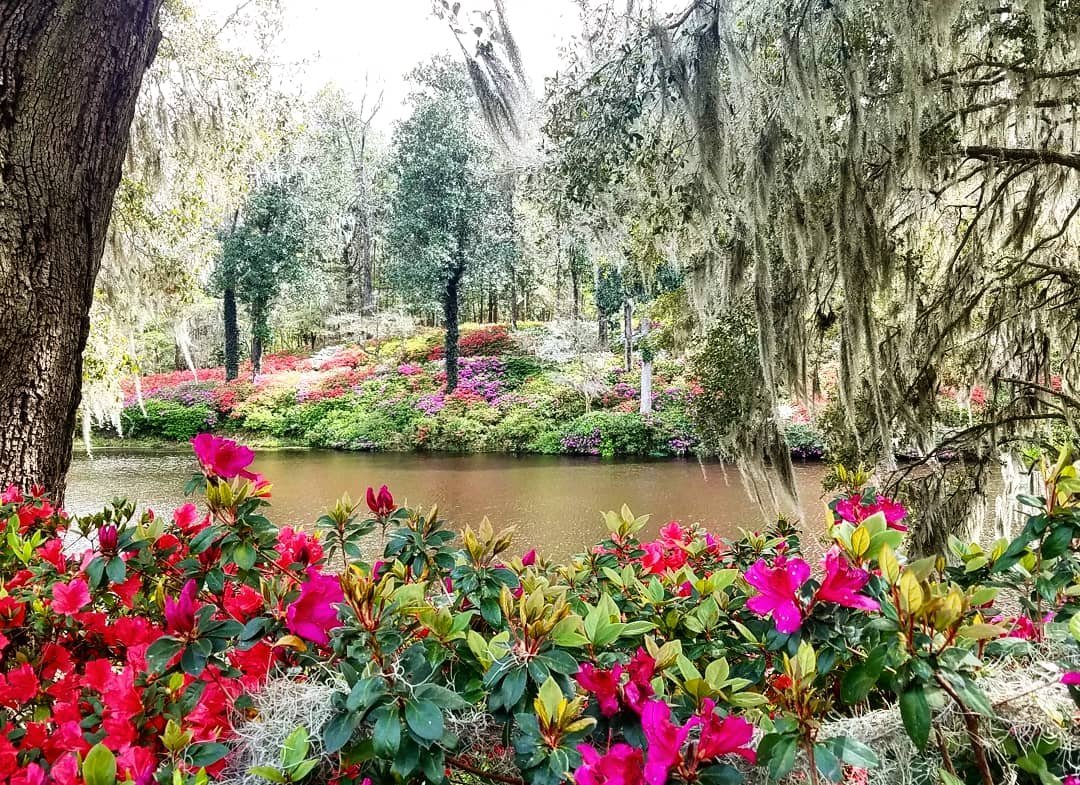
Middleton Place South Carolina Oldest landscaped gardens in America (1741); house museum, formal parterre gardens
Drayton Hall South CarolinaPreserved as-found; open to public since 1974 via National Trust for Historic Preservation
McLeod Plantation South CarolinaFocused on enslaved people's experience; original slave cabins; open for tours
Berkeley Plantation Virginia Open daily, guided house tours hourly; birthplace of 2 presidents; National Historic Landmark
Westover Plantation Virginia Grounds open year-round ($5); interior tours by appointment
Sherwood Forest Plantation Virginia Home of President John Tyler; self-guided grounds tour; house tours by appointment
Shirley Plantation VirginiaOldest plantation in VA (1613); now open only on select days (e.g., Historic Garden Week, April 19–20, 2026)
Monticello Virginia Thomas Jefferson's Estate; National Historic Landmark; open to public year-round
Gunston Hall Virginia George Mason's plantation, open to public for tours
Jarrell Plantation Georgia State historic site; rare example of a middle-class plantation; open Thu–Sat
Pebble Hill Plantation GeorgiaAntebellum estate; self-guided tours of house and grounds; open Tue–Sun
Andalusia Georgia Flannery O'Connor's estate; open to public since 2003
Chinquapin Plantation North Carolina Restored home and gardens; open for tours and events
Poplar Grove Plantation North Carolina Peanut plantation (est. 1795); tours with hayrides and exhibits
Stratford Hall MarylandBirthplace of 4 presidents; open to public for tours
Key notes:
The Charleston, SC cluster (Boone Hall, Magnolia, Middleton, Drayton Hall, McLeod) is the densest concentration of open plantations on the East Coast.
Shirley Plantation * (Virginia's oldest, est. 1613) has significantly reduced public access and is now open only on designated dates — check their website for current availability.
For historians/researchers, most of these sites have archives or research collections; the Library of Congress, state historical societies, and the National Trust for Historic Preservation can also point you to plantation records.
Pattern:The South Carolina cluster was built on rice + indigo (colonial/early national era) transitioning to cotton (antebellum).
Virginia and Maryland were tobacco economies.
Georgia's Lowcountry followed the rice/cotton model, while Piedmont NC and the smaller GA farms were more diversified or subsistence-oriented.
Tea is a surprisingly big thread for this region, and it connects directly to Middleton Place — In 1799, French botanist André Michaux planted Camellia sinensis (the tea plant) at Middleton Barony (now Middleton Place), one of the first successful cultivations of tea in the United States. The plants thrived but were grown as ornamental camellias, not for commercial tea production. Even later, in 1880, the US Government leased 200 acres from the Middleton family in nearby Summerville for a federal experimental tea farm.
-
This is hotel close to downtown. Major shopping, with many other restaurants are all within short walking & short driving distance.
Restaurant Pizzeria Infang offers Gluten FREE Options and is only 5 minutes walk from the hotel.
Pizzeria Don Camillo and Bakery Baguette are within 10 minutes walk from the hotel
Auer Gastronomie GmbH & Co KG is inside Naturhotel Waldklause and is within 6 minutes walk from the hotel.
Tinos Restaurant, Pizza & More is within 7 minutes walk from the hotel.
Vier Restaurant is within 3 minutes drive or 35 minutes walk from the hotel.
Cafe Restaurant Rustica is within 5 minutes drive or 45 minutes walk from the hotel.
CORSO Restaurant – Pizzeria – Bar offers Gluten FREE Options and is within 14 minutes drive from the hotel.
Salino Pizzeria also offers Gluten FREE Options and is within 12 minutes drive from the hotel.
Stubai Glacier offers multiple restaurants and various dietary options, it is within 1 hour 35 minutes drive from the hotel.
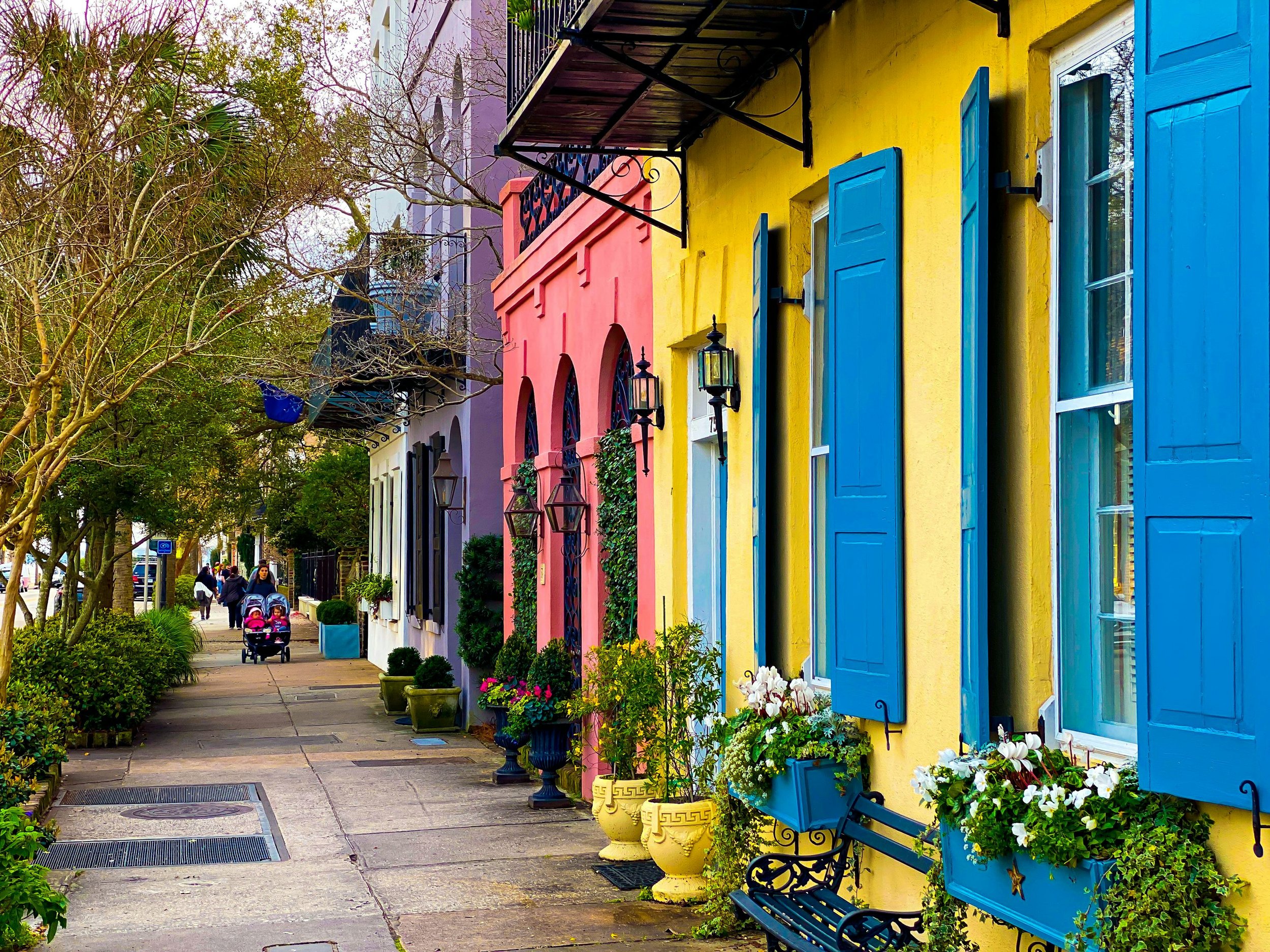
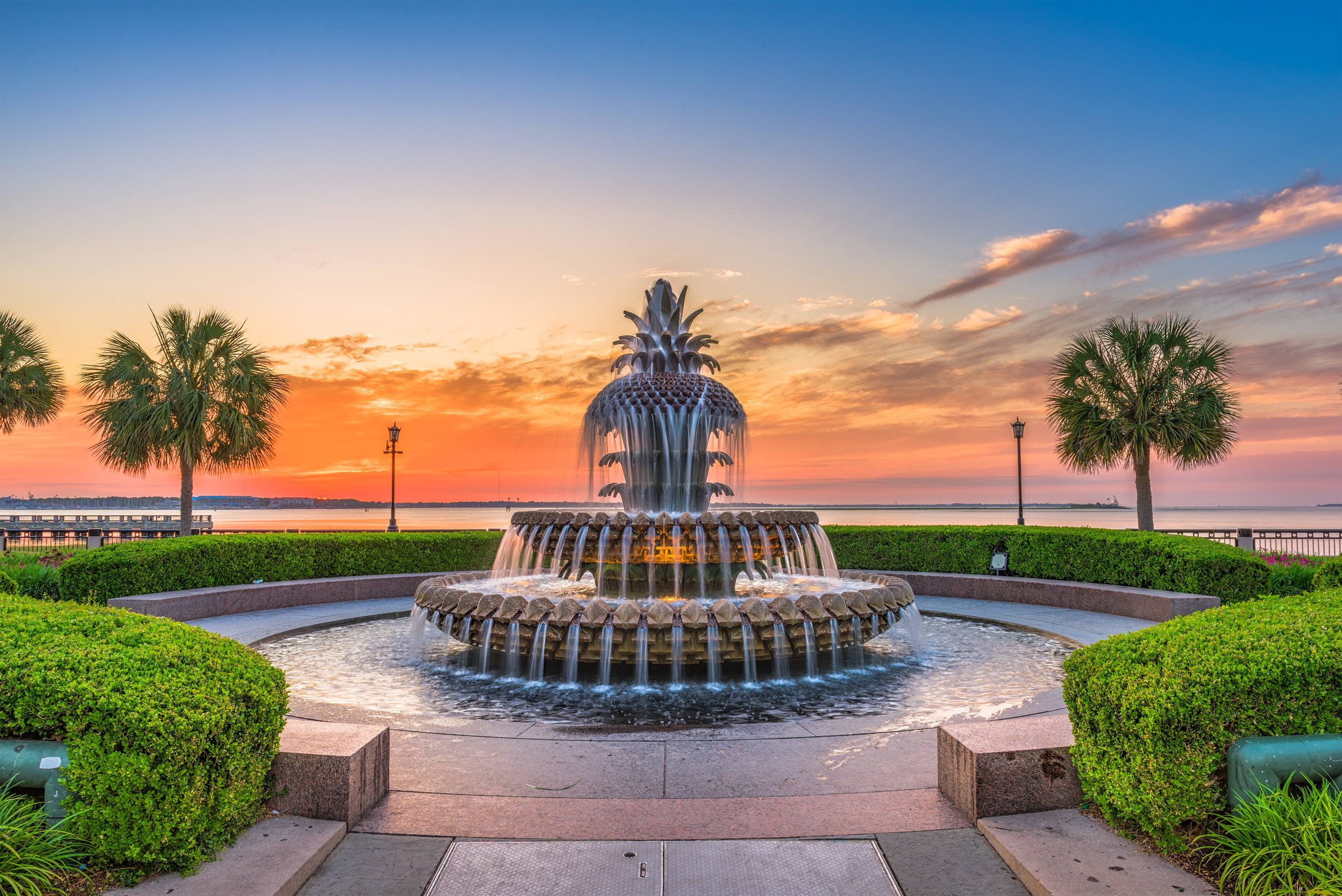
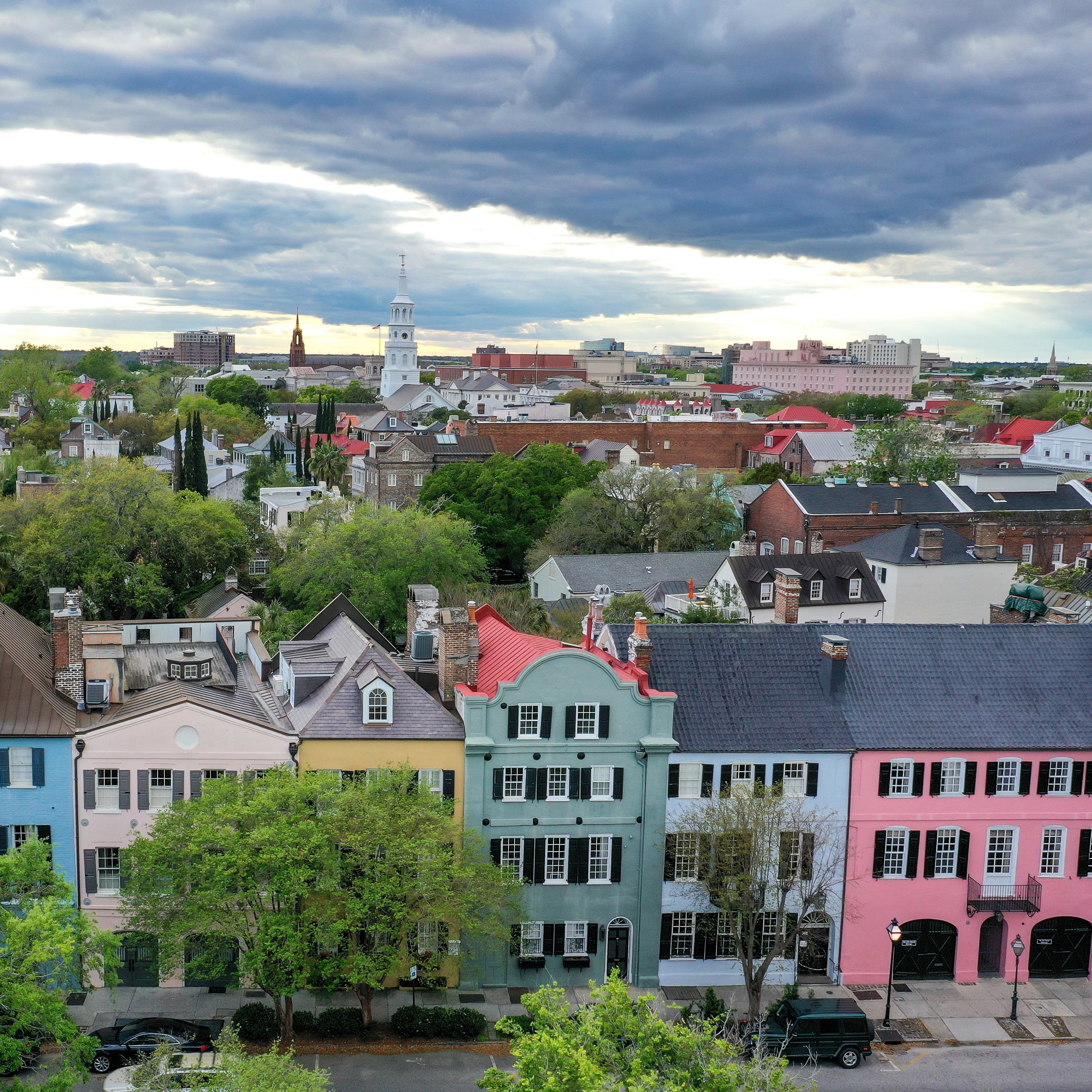


Tea in the Low country
A Detailed History
Colonial Georgia (1744–1772)
The very first attempt to grow tea in the Americas came in 1744, when tea seeds were sent to the Trust Garden in Savannah, Georgia, under the auspices of the colonial Trustees. The seeds did not germinate. In 1772, plants were sent again and successfully grew on Skidaway Island near Savannah — the first recorded successful cultivation of Camellia sinensis in the colonies. The plants thrived there for at least until 1805, but no commercial production followed. The Lowcountry climate — sandy soil, high humidity, tropical temperatures — proved ideal, but the economic incentive was weak while cheap Chinese and Indian imports dominated.
Georgetown: The Second Attempt (1874–1879)
Dr. Alexis Forster took up tea cultivation in Georgetown, South Carolina in 1874. Like Smith, he had a short-lived success. He died in 1879, and the plantation was abandoned once again. A pattern was emerging: the men devoted to tea cultivation kept dying, and so did the plants.
Alexis Forster tea plantation Georgetown South Carolina
The Federal Experiment (1880s)
In the 1880s, the US Department of Agriculture leased land near Summerville and established a government experimental tea farm. The operation ran until 1888, when the government concluded that South Carolina's climate was too unstable to sustain a commercial tea crop. The USDA's 1897 report delivered the final verdict: "The minimum cost [is] about eight times as much to pick one pound of tea in SC as that paid for the same service in Asia."
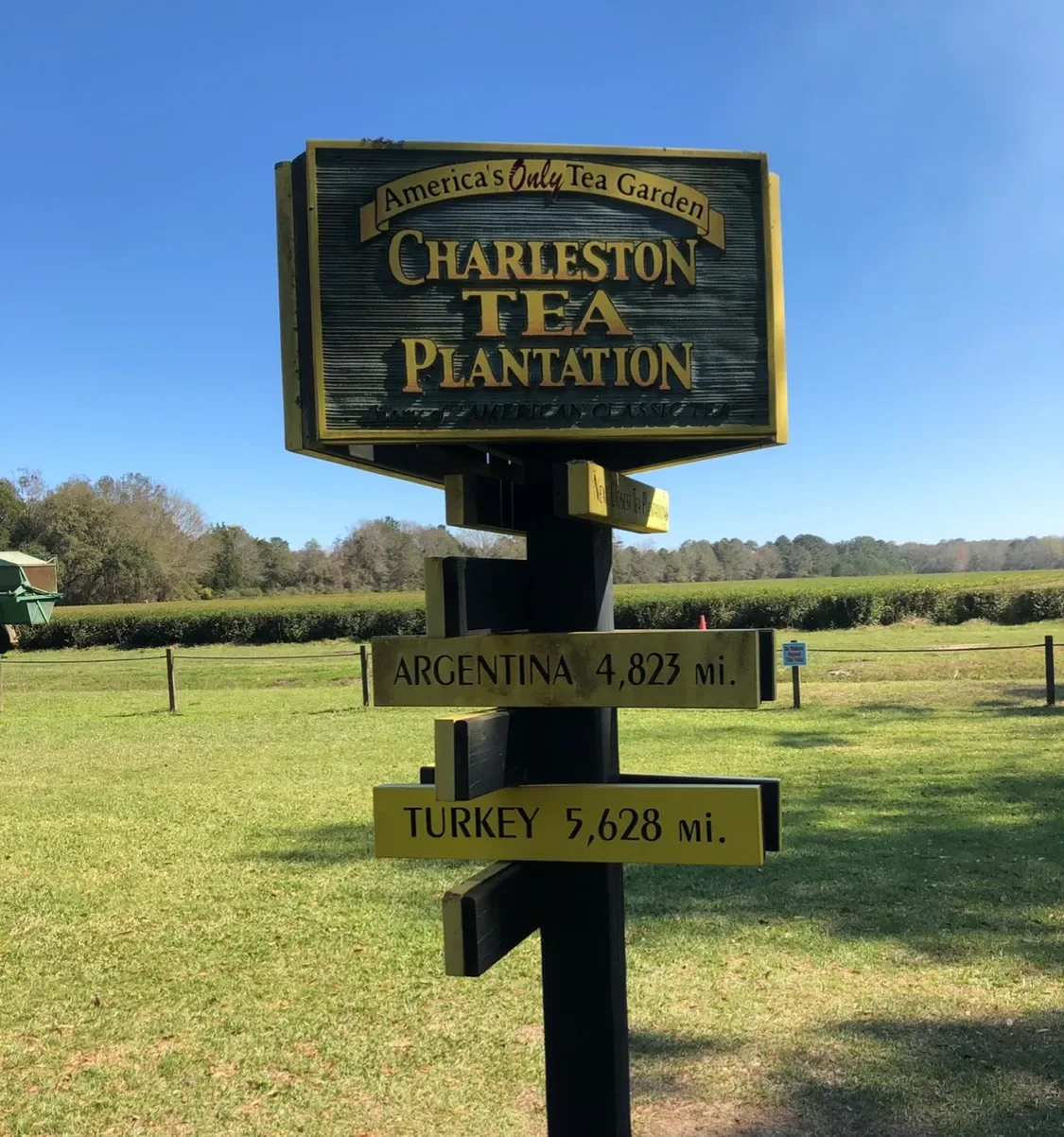
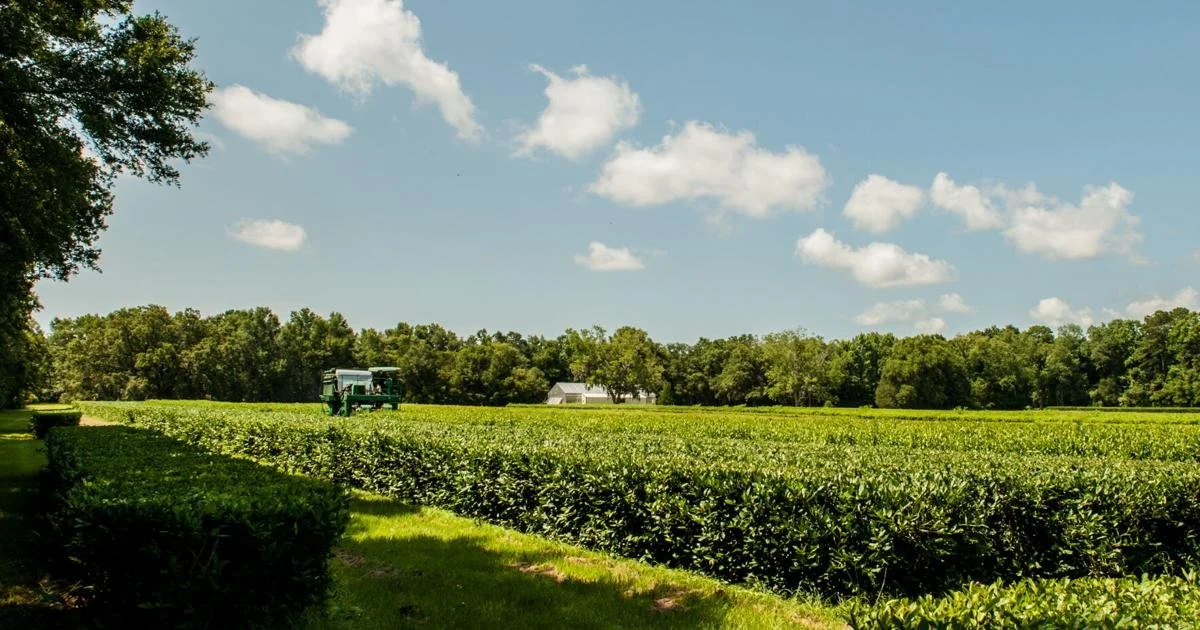
In 2003, the garden was acquired by Bigelow Tea (the company founded by Ruth and E. H. "Bob" Bigelow in Fairfield, CT). It is now the only large-scale commercial tea plantation in the United States, producing:
American Classic (the signature blend)
Charleston Breakfast
Earl Grey
Eight other specialty flavors
Both black and green teas
The garden supports agritourism through free factory tours (showing harvest to packaging) and paid trolley tours.
Every Camellia sinensis plant growing on the grounds is a direct descendant of Dr. Shepard's 1888 crop, making it a living piece of American agricultural history.
Middleton Place: The Birthplace of American Tea (1791–1799)
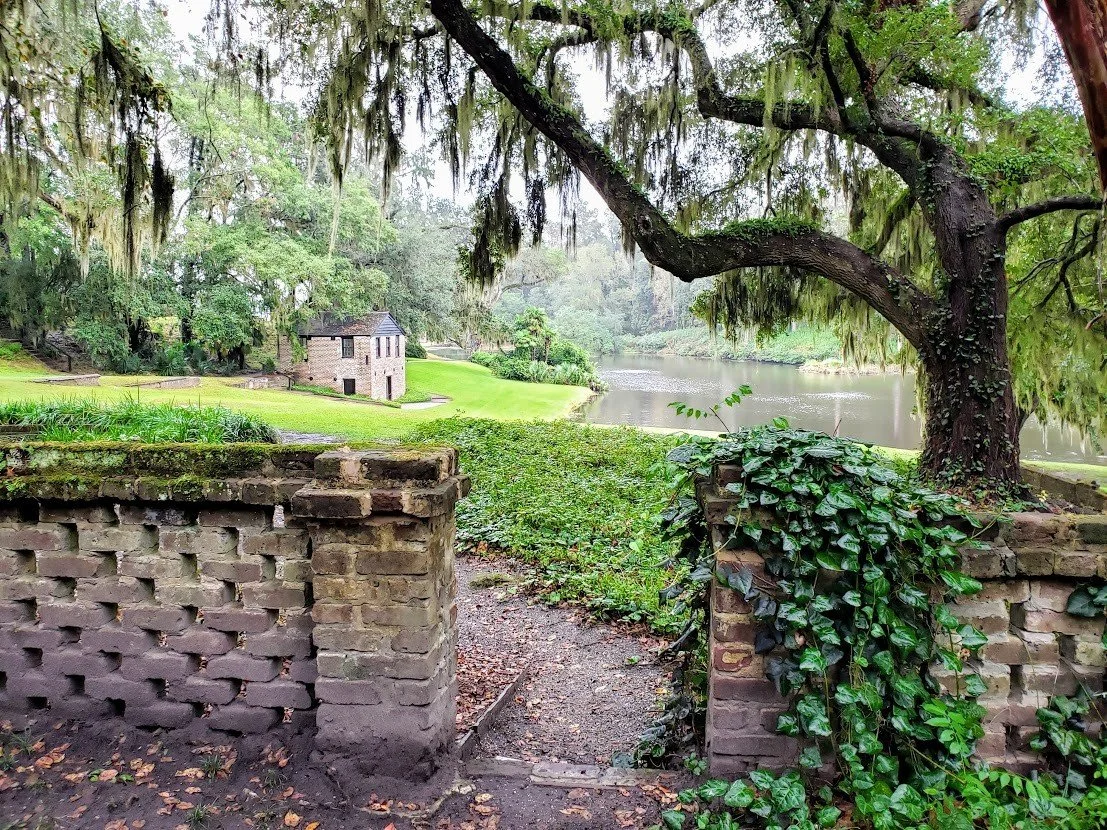
The pivotal moment came when André Michaux, a French botanist who had traveled extensively in Asia and Africa, brought Camellia sinensis specimens to the United States. Sources disagree on the exact date: some say 1791–1792, others 1799. Michaux delivered the plants to his friend Henry Middleton at Middleton Barony (now Middleton Place) along the Ashley River, between Summerville and Charleston.
The plants were intended for ornamental purposes, not commercial tea production. They thrived spectacularly, growing to heights of up to 15 feet in the humid subtropical climate. Over time, their popularity spread throughout the Republic. Some of those original camellia bushes still grow at Middleton Place today.
A critical detail: Junius Smith later took cuttings from Middleton Place to start his own commercial operation, making Middleton the genetic ancestor of virtually all American-grown tea.
Pinehurst: The First Commercially Viable American Tea (1888–1915)
Dr. Charles Shepard, a botanist, chemist, and professor at the Medical College of South Carolina, took advantage of a farmer's subsidy offered by the government and used plants from the federal farm to establish the Pinehurst Tea Plantation in Summerville in 1888.
Shepard's operation was the most successful in American tea history:
He secured labor by opening a school and making tea-picking part of its curriculum, employing local Black workers and paid Chinese experts
By 1887–1888, he was producing approximately 12,000 pounds of tea per year
His tea won first place at the 1904 St. Louis World's Fair
The plantation operated continuously for 27 years
When Shepard died in 1915, the plantation closed. The tea plants were abandoned and grew wild for the next 45 years.
Golden Grove: America's First Commercial Tea (1848–1853)
In 1848, Dr. Junius Smith — a 70-year-old retired London physician, shipping magnate, and pioneer of steamship travel — moved to Greenville, South Carolina (in the foothills of the Upstate, about 20 miles from Wadmalaw Island) and established a 270-acre experimental tea farm at Golden Grove Plantation. He planted cuttings taken from Middleton Place along with others imported from overseas.
Smith's venture was a genuine success. On July 4, 1851, he wrote: "Now I have before me a pot of fresh tea from my own plantation, the first I have enjoyed." He went on to write the first extensive US publications about tea planting. His plants prospered even through an 8-inch snowfall in the area.
But the enterprise was cut short. In 1853, Smith was shot and killed, and the plantation closed. The tea plants were abandoned.
Wadmalaw Island: Lipton's Rescue (1963)
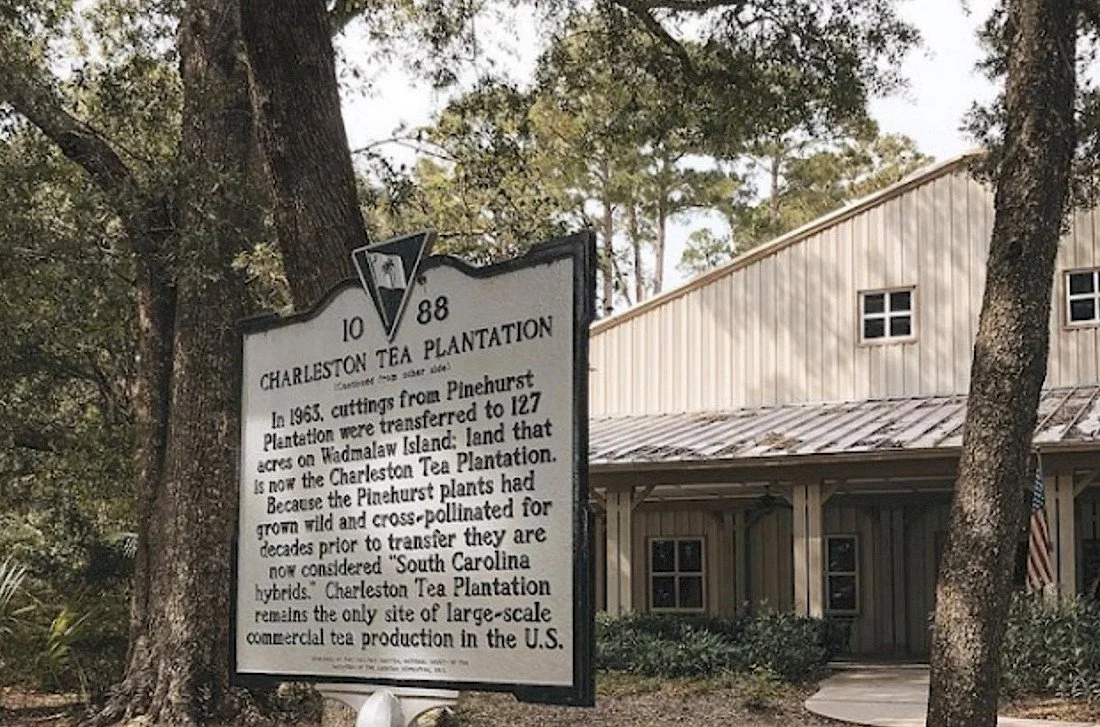
In 1963, the Thomas J. Lipton Company, worried about the instability of tea-producing countries in the Third World, purchased a 127-acre potato farm on Wadmalaw Island and transplanted the surviving Shepard plants from Pinehurst to the island. The farm became an experimental research station. For the next 24 years, research was conducted on the plants.
Charleston Tea Garden: America's Only Working Tea Plantation (1987–present)
In 1987, William Barclay Hall, a third-generation tea taster, purchased the Wadmalaw Island farm and began commercial production. He developed the American Classic tea blend from Shepard's original plants.